
Floaty vs Waterproof Pouch: Which One Do You Actually Need?
They both promise to protect your phone near water. They do completely different things. Understanding the difference could save you a phone.
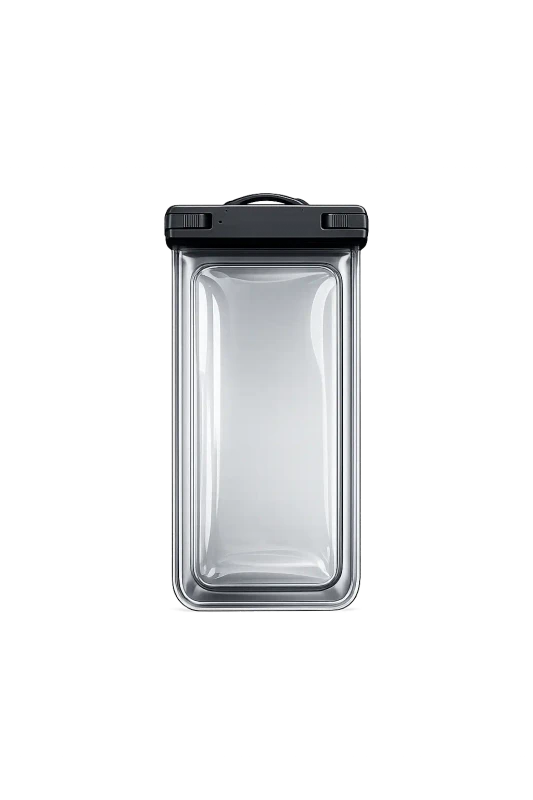
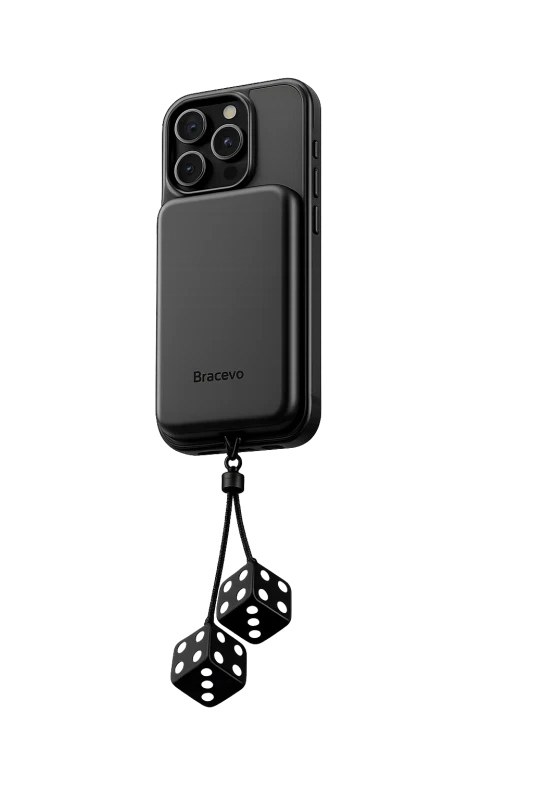
The confusion is understandable. Both products live in the same category in your head — "water protection for phones." But they are solving fundamentally different problems.
Buying the wrong one for your situation is like buying a life jacket when you needed a smoke detector. Both are safety products. Neither replaces the other.
The Role of the Waterproof Pouch
A waterproof pouch is a sealed enclosure. Its entire job is to keep water out of the phone. Done well, it creates an air-tight or water-tight barrier between the environment and your device.
What it does well: Water doesn't get in. Your phone survives submersion, rain, waves, and splashes without any water intrusion. For activities like snorkeling, diving, or anything where the phone is intentionally submerged, this is the tool you need.
What it does not do: It adds no flotation. A sealed waterproof pouch containing a modern smartphone will sink. The phone inside is perfectly preserved as it goes to the bottom. The pouch protected the device from the water. It did nothing about gravity.
The other thing a waterproof pouch doesn't do: let you use your camera properly. Most traditional waterproof pouches shoot through plastic or have a sealed membrane over the screen, both of which noticeably degrade photo and video quality. For activities where you bought the phone to take great photos, this is a real trade-off.
The Purpose of a Phone Float
A phone float — like Floaty — is not a waterproof pouch. It does not seal the phone from water. What it does is keep the phone at or near the water's surface if it goes in, making it retrievable instead of lost.
The physics is straightforward. A phone sinks because it is denser than water. A float accessory adds enough buoyancy to offset that density and keep the phone visible and accessible at the surface.
What it does well: If your phone enters the water — dropped from a boat, knocked off a dock, lost from your hand mid-wave — it stays where you can see it and grab it. That's the entire job. It does it without covering your camera, without adding significant bulk, and without changing how you use the phone before it goes in the water.
What it does not do: Protect the phone from water intrusion. If your phone enters the water without a waterproof pouch and stays there long enough, water will get in. A float accessory keeps it at the surface so the time submerged is as short as possible — which matters a great deal — but it relies on the phone's own water resistance to protect the internals.
Making the Right Choice
- You need a waterproof pouch if: You're intentionally submerging the phone. Snorkeling, diving, underwater photography — anywhere the phone is designed to be in the water. A float won't help here because you want it to stay submerged.
- You need a phone float if: You're near water but not in it. Boating, kayaking, paddleboarding, beach days, pool days, fishing. Anywhere the risk is accidental contact with water — a drop, a wave, a slip. This is most water activities for most people.
- You probably want both if: You're doing anything genuinely adventurous near water — whitewater kayaking, ocean swimming with your phone, anything where both submersion and dropping are real possibilities.
THE WEIGHT CONSIDERATION
One practical note that often gets overlooked: if you are using a float accessory, total weight matters. A heavy waterproof pouch plus a large phone can exceed what some float accessories are rated to keep at the surface.
Floaty and Floaty Pro have different weight capacities — check the weight limit against your phone plus any case before you rely on it. This is not a small print caveat. It is a real engineering constraint, and we state it clearly because the alternative is someone finding out the hard way.
THE HONEST ANSWER
For the vast majority of people doing the vast majority of water activities, a phone float gives you more practical protection than a waterproof pouch — because the risk is dropping the phone, not intentionally submerging it.
Buy the waterproof pouch when you plan to be in the water with your phone. Buy the float for everything else.
Be first when Floaty launches.
Join the waitlist for priority pricing and early access.
Join the Waitlist